
Navigating dental care options while dealing with severe clinical apprehension often leads to a confusing mix of medical terminology. Many individuals assume that any protocol aimed at reducing nervousness automatically requires being put to sleep or heavily medicated.
When exploring solutions for anxiety-free dentistry in NYC, distinguishing between broad patient-comfort philosophies and specific pharmacological tools is crucial. Understanding the structural differences between these two concepts allows individuals to make informed decisions about their clinical treatment paths.

Defining the Structural Scope of Each Approach
The Comprehensive Umbrella of Stress Reduction
Anxiety-free dentistry is an overarching clinical philosophy focused on neutralizing physical, psychological, and sensory triggers inside a dental office. This comprehensive methodology treats care as a complete experience, shaping everything from office acoustics and staff communication style to procedural pacing.
The primary structural goal is to lower systemic stress levels before a patient ever experiences a physical reflex in the chair. Exploring historical step-by-step strategies to overcome dentist phobia highlights how structural adaptations build long-term confidence without relying solely on medications.
The Specific Pharmacology of Sedation Methodologies
Sedation dentistry, by contrast, refers explicitly to the administration of specialized pharmacological agents to alter the central nervous system during a procedure. This is a specific tool utilized within a comfort plan rather than an overall practice philosophy.
Sedation ranges from mild inhaled gases to moderate oral medications and deep intravenous protocols. Relying on verified clinical sedation dentistry resources helps clarify how these specific medications temporarily suppress nervous system reactions during active clinical work.
Core Behavioral and Clinical Comparisons
Behavioral Conditioning vs. Chemical Relaxation
The most significant difference between a pure anxiety-focused environment and standard sedation lies in how patient responses are managed. An anxiety-free framework incorporates environmental decompression, behavioral modifications, and predictable patient-dentist communication protocols.
Sedation relies directly on chemical compounds to manage physical reflexes, making it highly effective for individuals who cannot control their somatic panic reactions. Reviewing data regarding how dental anxiety and PTSD affect clinical care illustrates why combining behavioral empathy with chemical support delivers the most stable environment for complex cases.
Adapting to Complex Cognitive and Physical Needs
Certain populations require specialized environmental structuring that extends far beyond standard sedative medications. Individuals experiencing sensory processing differences, developmental challenges, or severe cognitive sensitivities benefit significantly from specialized environmental modifications.
Analyzing the structural expectations during a special needs dental visit shows how customized pacing, tactile adjustments, and desensitization techniques create a calm framework that medication alone cannot achieve.
Selecting the Appropriate Level of Care
Evaluating Options for Mild to Moderate Stress
For mild apprehension or simple appointments, environmental changes combined with inhaled nitrous oxide are often sufficient to maintain peace of mind. This mild inhaled method allows individuals to remain completely conscious and alert while experiencing a light, floating sensation that fades immediately after treatment concludes.
Learning about the baseline benefits of pain-free dentistry reveals how combining gentle local numbing techniques with sensory adjustments can eliminate the need for heavier oral sedatives.
Addressing Severe Avoidance and Complex Restorations
When years of appointment avoidance result in extensive structural damage, deeper pharmacological protocols become an essential part of the comfort strategy. Moderate oral conscious sedation and deep intravenous methods allow specialized teams to perform multiple advanced restorative procedures during a single, controlled session.
Reviewing how modern sleep dentistry provides comfortable solutions confirms that these advanced techniques allow individuals with profound phobias to safely catch up on years of neglected care. Understanding general orthodontic and dental anxiety fear guidelines underscores how tailored chemical support prevents minor decay from advancing into structural emergencies.
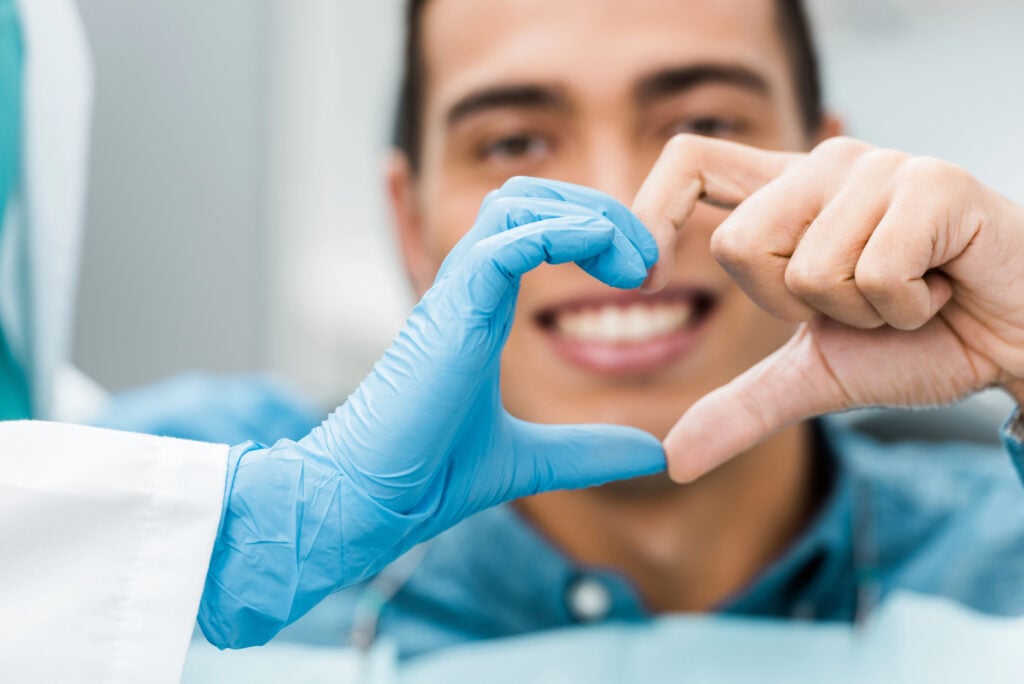
Experience True Comfort with Anxiety-Free Dentistry in NYC
Overcoming a deep fear of clinical settings requires a dental team that understands the vital intersection between environmental empathy and advanced medical sedation.
Louis Siegelman, DDS, focuses on creating a fully customized experience that respects your unique emotional and physical boundaries. Whether you require minor environmental pacing or advanced intravenous sleep dentistry, our practice is designed around your complete peace of mind.
Contact our specialized team today to schedule your consultation and discover how our dedicated specialists can transform your relationship with oral healthcare.